Solo founders can absolutely build successful businesses. Focus on ideas that leverage your unique skills, can be scaled incrementally, and don’t require massive upfront capital or a large team to start. The key is choosing the right niche and building a sustainable model step by step.
The Power of the Solo Founder
Being a solo founder has its own set of advantages. You have complete control. Every decision is yours.
This means you can move fast. You don’t need to get everyone on board. Your vision stays pure.
You also learn everything. From sales to marketing, you wear many hats. This deep learning is invaluable.
It builds incredible skills. You become a master of many trades. It’s a very rewarding experience.
Many solo founders find deep satisfaction. They see their hard work directly pay off.
Think about it. You set the pace. You choose the direction.
This freedom is powerful. It lets you pivot quickly. If something isn’t working, you can change it.
You don’t need endless meetings. This speed can be a big advantage. It lets you beat others to market.
It also means your passion fuels the fire. When it’s just you, your commitment matters most. This personal drive is what many solo ventures thrive on.
It’s about resilience and a clear purpose.
What Makes a Good Solo Startup Idea?
Not all business ideas are made for one person. Some need lots of hands. Others need big money to start.
We need ideas that are different. They should be manageable for one person. They should also have room to grow.
What are the signs of a good solo idea?
First, it should use your skills. What are you good at? What do you love doing?
Use that. If you’re a writer, maybe start a blog or content service. If you’re good with code, build a small app.
This makes the work feel less like work. It also means you have an edge. You already know how to do it.
This saves time and money.
Second, the idea should be scalable. This means it can grow. It can serve more people.
It can make more money. It doesn’t have to become a huge company overnight. But it needs a path to expand.
A service business can hire people later. A digital product can reach many users. Think about how more customers can be served.
Think about how operations can be streamlined. This is crucial for long-term success.
Third, look for ideas with low startup costs. You don’t want to borrow tons of money. Or need fancy offices.
Many online businesses fit this. Services, digital products, and content creation often start small. You can use free or cheap tools.
This reduces risk. It makes the venture more achievable. It lets you test your idea first.
My Own Solo Journey: The Blog That Grew
I remember starting my first real online project. It was a small niche blog about gardening. I loved gardening, but I wasn’t a professional.
I just enjoyed sharing tips. I had a full-time job then. So, I could only work on it in the evenings and weekends.
I felt like I was talking to myself sometimes. Building a website felt daunting. Writing posts took ages.
I worried no one would read it. It was slow going.
I felt a bit lost about how to get people to find me. I’d spend hours reading about SEO. I learned about social media.
I tried different writing styles. It was a lot of trial and error. There were days I wanted to quit.
It felt like so much work for little reward. But then, one day, I got a comment. Someone said my advice really helped them.
That one comment made it all feel worth it. It was a small win, but it boosted my morale. Slowly, traffic grew.
Then came the first few dollars from ads. It showed me that even a solo effort could bloom.
This experience taught me so much. It showed me the value of patience. It also showed me that genuine help resonates.
Even if it’s just one person helping another. I learned about content creation. I learned about online communities.
I learned about patience. It wasn’t a get-rich-quick scheme. It was a slow build.
But it was mine. That feeling of ownership is powerful. It fuels you through the tough spots.
It makes the successes that much sweeter.
Key Traits of Solo-Friendly Businesses
Skills Alignment: Does the business leverage your existing talents or passions?
Low Overhead: Can you start and run it without significant upfront investment or recurring fixed costs?
Digital First: Does it primarily operate online, allowing for remote work and wider reach?
Time Management: Is the workload manageable around other commitments, at least initially?
Scalability Path: Can the business grow by serving more clients, users, or by adding related products/services?
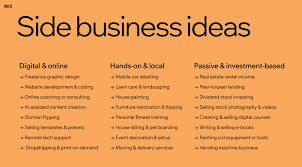
Ideas You Can Build Solo: Services
Service-based businesses are fantastic for solo founders. They often require minimal startup capital. Your main asset is your skill.
You trade your time and expertise for money. Many of these can be done remotely. This offers great flexibility.
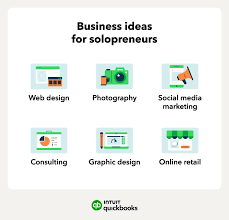
Freelance Writing / Editing / Proofreading: If you have a knack for words, this is a direct path. Businesses, bloggers, and authors always need good content. You can find clients on platforms like Upwork or ProBlogger.
Or you can build your own client list. Focus on a niche, like tech or health, for higher rates.
Virtual Assistant (VA): Many busy professionals and small business owners need help with admin tasks. This can include scheduling, email management, social media posting, or research. You can specialize in certain areas.
For example, social media VA or executive assistant VA. It requires good organization and communication skills.
Graphic Design / Web Design: If you have a creative eye and technical skills, this is a strong contender. Small businesses need logos, websites, and marketing materials. You can use tools like Canva to start if you’re new to design.
As you grow, you can use more advanced software.
Social Media Management: Businesses need a strong online presence. Many don’t have the time to manage their social media accounts. You can offer services like content creation, scheduling posts, engaging with followers, and running ad campaigns.
Understanding different platforms is key.
Consulting: Do you have deep expertise in a specific field? Maybe marketing, finance, or HR? You can offer consulting services to businesses.
This often involves advising clients on how to improve their operations or strategies. It requires proven experience and a strong portfolio.
Online Tutoring / Coaching: Share your knowledge with others. If you excel in a subject like math, science, or a musical instrument, you can tutor students. Life coaches help people achieve personal or professional goals.
This is very rewarding. You need patience and good people skills.
Bookkeeping / Accounting for Small Businesses: Many small businesses can’t afford a full-time accountant. Offering bookkeeping services can be a great niche. You need to be detail-oriented and understand accounting principles.
Often, a basic accounting certification helps build trust.
Quick-Scan Table: Solo Service Ideas
| Service Type | Skills Needed | Startup Ease | Growth Path |
| Freelance Writing | Writing, grammar, research | Very Easy | Niche specialization, higher rates, agency |
| Virtual Assistant | Organization, communication, tech-savviness | Easy | Specialization, team building |
| Graphic Design | Creativity, design software, branding | Medium | Higher-end clients, motion graphics, branding packages |
| Social Media Mgmt. | Platform knowledge, strategy, creativity | Easy | Ad management, analytics, full-service marketing |
| Consulting | Deep expertise, problem-solving, communication | Medium (credibility) | Workshops, online courses, team expansion |
Ideas You Can Build Solo: Digital Products
Digital products offer a path to passive income. Once created, they can be sold many times over. This is a huge advantage for a solo founder.
You build it once, then it can sell while you sleep. This requires upfront work but can pay off long-term.
Ebooks and Guides: Share your expertise in a written format. If you know a lot about a specific topic, write a book about it. This could be anything from a recipe book to a guide on learning a new skill.
Platforms like Amazon Kindle Direct Publishing make it easy to publish.
Online Courses: Package your knowledge into video lessons, quizzes, and worksheets. People are always looking to learn new things. If you can teach a skill effectively, an online course can be very popular.
Platforms like Teachable or Udemy host courses. You can also self-host.
Templates and Presets: Many people need help with design or organization. You can create templates for social media graphics, resumes, presentations, or spreadsheets. Photographers and designers can sell Lightroom presets or Photoshop actions.
Etsy and Creative Market are good places to sell these.
Stock Photos or Videos: If you have a good camera and an eye for composition, you can sell your photos or videos. Sites like Shutterstock, Adobe Stock, and Getty Images allow contributors. Focus on popular niches or underserved areas.
Software Tools (SaaS – Small Scale): If you have coding skills, you can build a small, niche software tool. Think of a simple app that solves one specific problem for a group of people. For instance, a time-tracking tool for freelancers or a specific calculator for a niche industry.
You can start with a minimum viable product (MVP).
Printables: This is similar to templates but for physical items. Think planners, journals, wall art, or educational worksheets for kids. These are popular on Etsy.
They are easy to create with design software and once made, can be sold repeatedly.
Digital Product Creation: Your Solo Toolkit
Idea Validation: Before creating, research demand. Use keyword tools and look at existing products.
Creation Tools: Depending on the product, you’ll need software like Canva, Adobe Suite, writing tools, or video editing software.
Platform Choice: Decide where to sell. Marketplaces like Etsy, Amazon, or dedicated platforms like Teachable or Gumroad.
Marketing: Even digital products need promotion. Use social media, content marketing, or paid ads.
Customer Support: Be prepared to answer questions and handle issues, even for digital goods.
Ideas You Can Build Solo: Content & Community
Building an audience takes time. But once you have one, you can monetize it in many ways. This is a powerful strategy for solo founders.
It’s about creating value and fostering connection.
Niche Blogging: As I mentioned, blogs can grow. Focus on a very specific topic. Become the go-to source for information.
Monetize through ads, affiliate marketing, or selling your own products. It requires consistent writing and SEO knowledge.
YouTube Channel: If you’re comfortable on camera or with voiceovers, YouTube is huge. Create content around a passion or expertise. Monetize through ads, sponsorships, and merchandise.
Building a subscriber base is key. It requires video editing skills and consistent uploads.
Podcasting: Audio content is booming. Start a podcast on a topic you love. Interview experts or share your own insights.
Monetize through sponsorships, affiliate marketing, or premium content. It requires good audio equipment and editing skills.
Building an Online Community: Create a space where like-minded people can connect. This could be a Facebook group, a Discord server, or a dedicated forum. Monetize through premium memberships, courses, or sponsored posts within the community.
Requires strong moderation and engagement skills.
Newsletter: Curate valuable content and send it to subscribers regularly. Newsletters can be powerful. They build a direct relationship with your audience.
Monetize through sponsorships, affiliate links, or selling your own products. Platforms like Substack make this easy.
Community Building: A Solo Founder’s Advantage
Engagement is Key: Actively participate. Ask questions, respond to comments, and foster discussions.
Value First: Provide genuine value through your content, insights, or resources.
Consistency Matters: Regularly share content and engage with your community.
Listen and Adapt: Pay attention to what your community wants and needs.
Monetization Options: Explore ads, affiliate marketing, premium content, merchandise, or direct sales.
Ideas You Can Build Solo: Physical Products (Niche & Small Scale)
While many physical products need scale, some niche ones can work for solo founders. Especially if you can start small and manage production yourself.
Handmade Crafts: If you’re skilled at making jewelry, pottery, knitted items, or custom art, you can sell them. Platforms like Etsy are perfect for this. Focus on unique, high-quality items.
Your passion and craftsmanship are your selling points.
Niche E-commerce (Dropshipping or Curated): Dropshipping allows you to sell products without holding inventory. You partner with a supplier who ships directly to your customer. This reduces upfront costs.
However, quality control and customer service can be challenging. Curating a small selection of unique products in a niche can also work, especially if you source them directly or ethically.
Customized or Personalized Items: Think custom t-shirts, mugs, or phone cases. You can use print-on-demand services to handle the printing and shipping. This minimizes your inventory risk.
You focus on design and marketing.
Specialty Food Items (Local): If you bake amazing cookies, make unique jams, or create artisanal hot sauces, you might be able to sell them locally. Check your local regulations for food businesses. This can start very small, from your own kitchen, and grow to farmers’ markets or local shops.
Starting with Physical Products Solo
Start Small: Don’t overcommit to inventory. Test the market with limited runs.
Focus on Quality: Your product must stand out. Craftsmanship or unique features are vital.
Efficient Shipping: Figure out shipping costs and methods early. Offer clear options to customers.
Leverage Online Marketplaces: Etsy, Shopify, or even Instagram can be great for reaching customers.
Legal Checks: Ensure you comply with any regulations, especially for food or handmade items.
The Mindset of a Solo Founder
Building a business alone is as much a mental game as it is a strategic one. You need a specific mindset to thrive.
Resilience: Things will go wrong. You will face setbacks. You need to bounce back.
Learn from mistakes and keep moving forward. It’s about grit.
Self-Discipline: There’s no boss to tell you what to do. You must be your own boss. Set goals, create schedules, and stick to them.
Motivation can fade, but discipline carries you through.
Continuous Learning: You’ll have to learn new skills constantly. Marketing, sales, customer service, finance. Embrace learning.
Read books, take online courses, and experiment. Every new skill is a tool for your business.
Problem-Solving: Every day brings new challenges. You need to be a natural problem-solver. Break down big issues into smaller steps.
Find creative solutions. Don’t get overwhelmed.
Focus: It’s easy to get distracted. Especially with so many potential ideas and tasks. Learn to prioritize.
Focus on what truly matters for your business growth. Say no to distractions.
Essential Solo Founder Habits
Daily Planning: Start each day with a clear to-do list.
Time Blocking: Allocate specific times for different tasks.
Regular Breaks: Avoid burnout. Step away to recharge.
Seeking Feedback: Ask trusted mentors or early customers for honest input.
Celebrating Wins: Acknowledge your progress, no matter how small.
Real-World Context: Challenges and Triumphs
Let’s talk about the gritty reality. Building a business alone isn’t always glamorous. I remember a period when my freelance writing business was picking up.
I was juggling multiple clients. Deadlines were tight. One week, two major clients needed urgent work.
I was up late every night. My apartment looked like a paper storm. I felt exhausted and isolated.
I questioned if I could really do this solo.
That feeling of being overwhelmed is real. You are the product, the marketer, the salesperson, the accountant. It’s a lot.
But then, I’d get a thank-you email. Or a client would send a referral. Those moments were lifelines.
They reminded me why I started. They gave me the energy to push through. I learned to manage my time better.
I learned to say no to projects that didn’t fit. I learned to ask for help with small tasks when I could afford it. This allowed me to reclaim some balance.
Another triumph was launching my first ebook. I spent months writing and editing. Then came the launch day.
I was nervous. What if no one bought it? But people did.
Readers shared it. They left reviews. Seeing my words reach and help others was an incredible feeling.
It was proof that a single person, with enough effort and a clear idea, could create something meaningful and successful. It wasn’t easy, but the reward was immense. It showed me the true potential of solo entrepreneurship.
What This Means for You: When to Start
So, when is the right time to dive into a solo startup? The truth is, there’s rarely a perfect moment. But there are signs you’re ready.
You have a strong idea. You’ve done some research. You have a bit of time and energy to dedicate.
You have a supportive network, even if they aren’t partners. And crucially, you have the drive to make it happen.
Don’t wait for all the stars to align. Perfection is the enemy of progress. If you have a solid plan and a willingness to learn and adapt, you can start.
It’s okay to start small. Offer a service part-time. Create a simple digital product.
Build your audience slowly. The most important step is the first one.
When you face challenges, remember why you started. Keep your long-term vision in mind. Celebrate small victories.
Learn from every experience. The journey of a solo founder is tough but incredibly rewarding. It builds skills, confidence, and a business you can be proud of.
You have the power to build something amazing, all on your own.
Quick Fixes & Tips for Solo Founders
Here are some actionable tips to help you on your solo journey:
- Automate Where Possible: Use tools for scheduling social media, invoicing, or email marketing. This saves precious time.
- Outsource Non-Core Tasks: As you earn, consider outsourcing things like bookkeeping or complex design work. Focus your energy on what only you can do.
- Build a Strong Online Presence: Your website and social media are your storefront. Make them professional and engaging.
- Network Wisely: Connect with other entrepreneurs, even solo ones. Share experiences and support each other.
- Take Care of Yourself: Burnout is the enemy. Prioritize sleep, exercise, and downtime.
- Set Realistic Goals: Break down big ambitions into smaller, achievable steps.
Frequently Asked Questions About Solo Startups
Can I really build a successful business entirely alone?
Yes, many successful businesses were started by solo founders. It requires careful planning, focus, and a great idea. You’ll need to leverage your skills effectively and choose a business model that’s manageable for one person.
What kind of business ideas are best for solo entrepreneurs?
Service-based businesses, digital products, niche content creation, and small-scale handmade goods are often great fits. These tend to have lower startup costs and can be managed by one person effectively.
How do I handle all the different roles needed for a business?
Start by focusing on your core strengths. Use tools to automate tasks. As you grow, consider outsourcing non-essential tasks.
Continuous learning is also key to picking up new skills as needed.
What if I don’t have a unique or groundbreaking idea?
You don’t need a revolutionary idea. Many successful businesses improve on existing concepts or serve a niche market exceptionally well. Focus on execution, customer service, and solving a specific problem for your target audience.
How much money do I need to start a solo business?
It varies greatly. Some online services can be started with very little money, perhaps just for a website and some software. Digital products might require software investment.
Physical products or tech startups might need more. It’s important to research the specific costs for your chosen idea.
What are the biggest challenges solo founders face?
Common challenges include managing workload, avoiding burnout, wearing too many hats, dealing with isolation, and making all decisions independently. Building resilience and strong self-discipline is crucial.
Conclusion: Your Solo Path to Entrepreneurship
Starting a business on your own is an empowering path. It allows for immense personal growth and control. By choosing the right idea and cultivating a resilient mindset, you can build something remarkable.
Focus on leveraging your unique strengths and on creating genuine value for your customers. Your solo journey starts now.
},
},
},
},
},
} ] }